PhD Studentships
Training the Next Generation of Structural Scientists.
We know training the next generation is vital to advance science; for this reason, we sponsor several PhD students every year as part of our charitable mission to advance science for the public benefit.
As a partner institute of the University of Cambridge, we are able to supervise PhD students together with partner universities and collaborating institutions, including companies.
Current Sponsored Students
As part of our ongoing commitment to collaboration across academia and industry the CCDC sponsors a number of PhD students each year.
Topics range across the chemical and biochemical fields, and each PhD is co-supervised by a CCDC team member, a university, and, in many cases, an industrial partner.
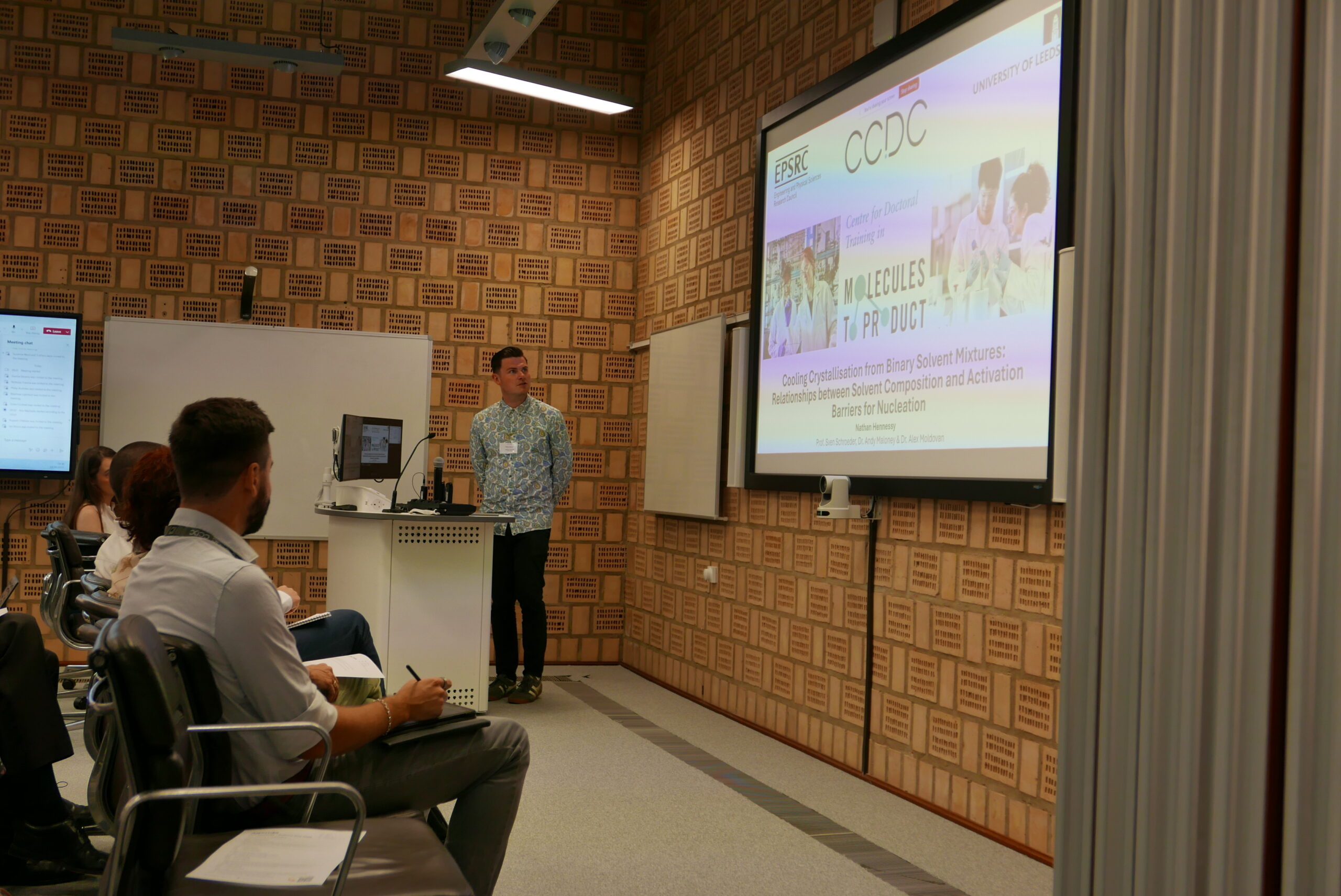
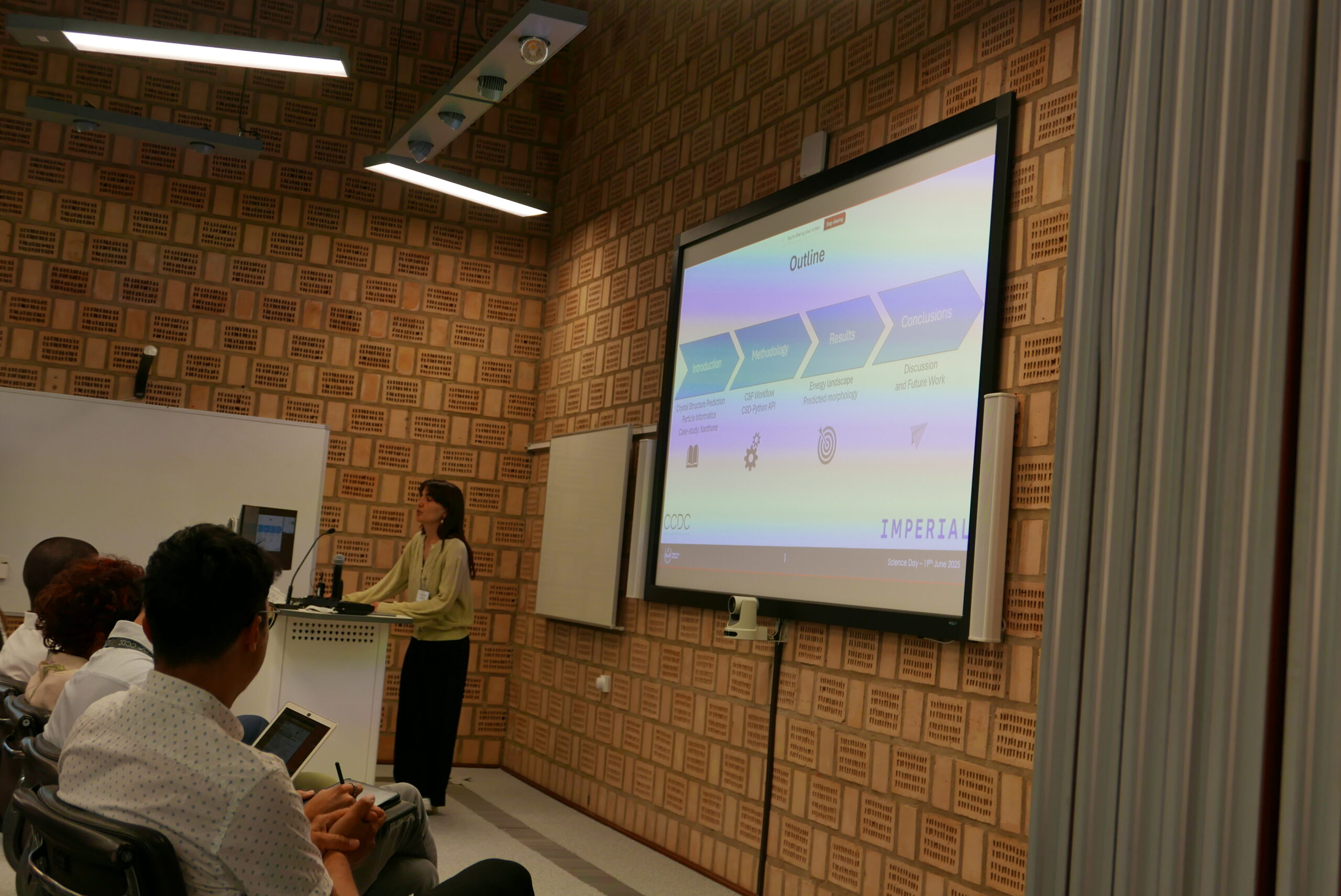
Join us at our annual Science Day to learn what PhD students currently sponsored by the CCDC are working on, as they present their progress.
Watch the highlights from the 2025 Annual Meeting here.
For supervisors worldwide, if you have a request for a co-sponsored studentship that aligns with CCDC research aims, we would be interested to hear your project proposal. We accept proposals all year round, but typically review submissions during the first few months of a calendar year. Send us a message using our contact form, email us at hello@ccdc.cam.ac.uk, or speak to us at one of the events we attend worldwide to find out more.
Contact us to enquire about co-sponsored studentships.
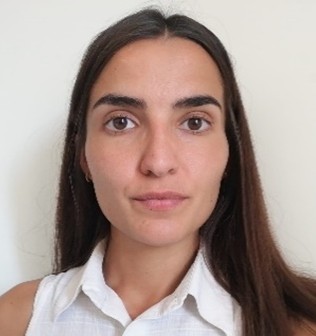
Emilia Prandini
Thesis title: Relating structure with surface properties of organic crystalline materials.
Collaboration with the Department of Applied Science and Technology (DISAT ), Politecnico di Torino, Italy.
Academic supervisor: Elena Simone.
CCDC supervisor: Andy Maloney.
Start date: November 2022
Emilia Prandini is currently a third-year PhD student in Chemical Engineering at the Politecnico di Torino. Her research focuses on the surface characterisation of organic crystalline materials, to deepen our understanding of molecular surface properties, an area of great relevance in pharmaceutical science. In particular, Emilia investigates how the structural features of crystals influence their surface behaviour, which can significantly affect critical properties such as solubility, bioavailability, and stability of pharmaceutical compounds.
By combining advanced experimental techniques with computational approaches—particularly particle informatics tools—she examines these surfaces at a molecular level. This integrated methodology enables the identification of robust correlations between crystal structure and surface properties, ultimately contributing to the design of more efficient and reliable drug formulations.
Harry Nash
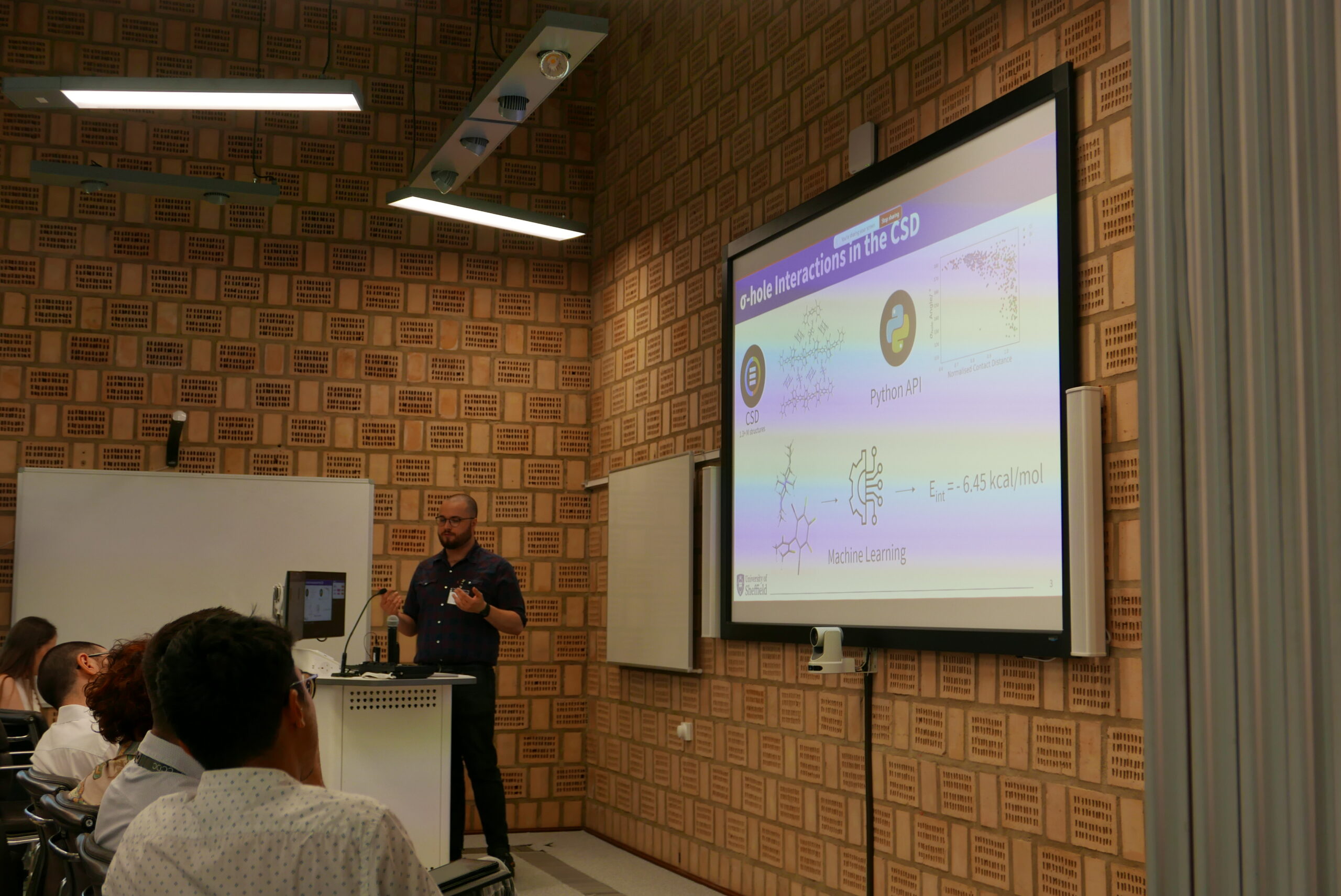
Thesis title: Evaluating the landscape of σ-hole intermolecular interactions.
Collaboration with Sheffield University.
Academic supervisors: Lee Brammer, Grant Hill.
CCDC supervisor: Joanna Stevens, Elna Pidcock.
Start date: October 2021
Nathan Hennessy
Thesis title: Towards Product Control by Design: Studies of the Nucleation and Crystal Growth of L-Histidine.
Collaboration with The University of Leeds.
Academic supervisors: Sven Schroeder and Beth Willneff.
CCDC supervisor: Alex Moldovan, Andy Maloney.
Start date: October 2020
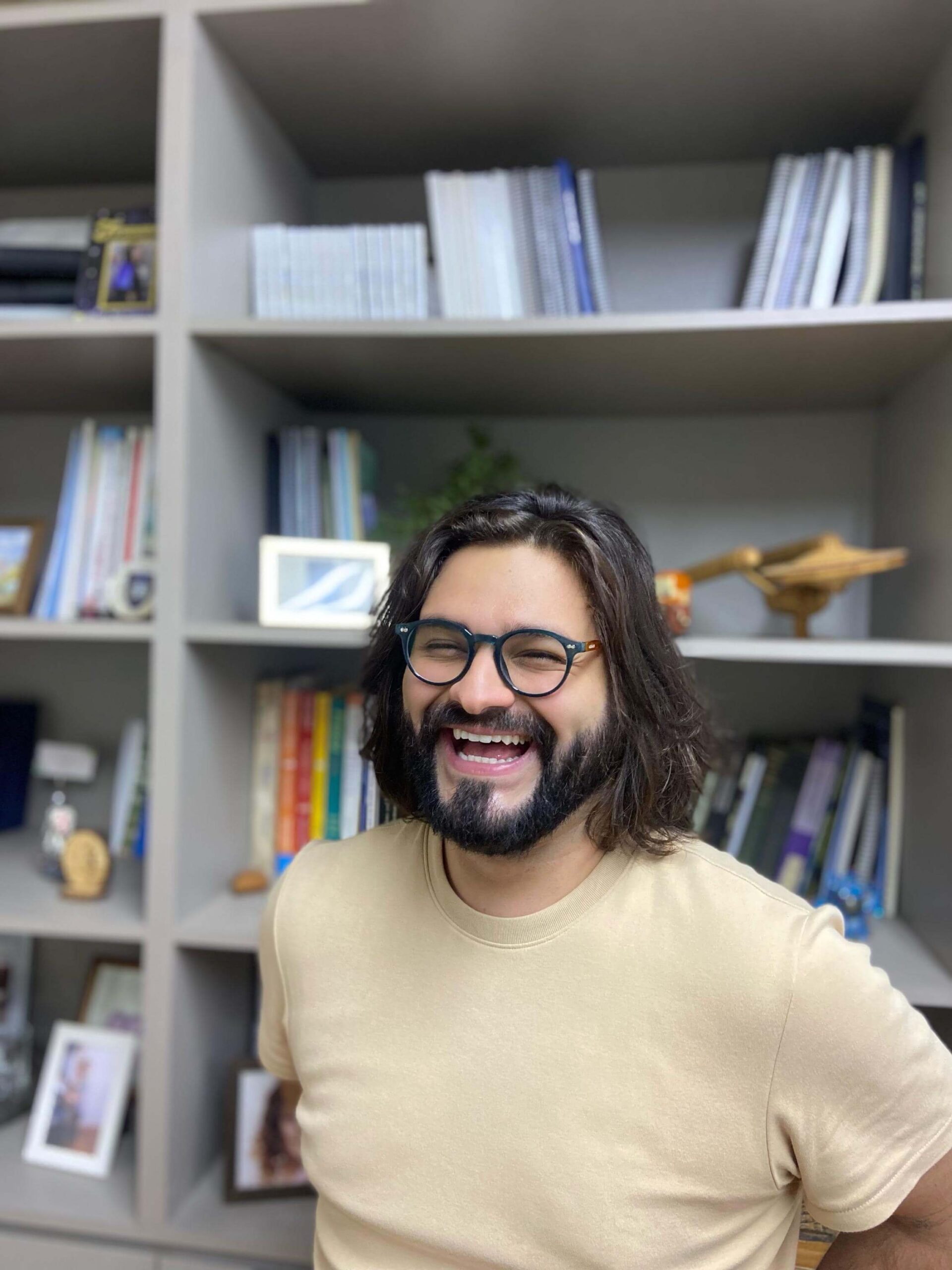
Paulo Nunes de Souza
Thesis title: Correlate structure-properties in Anti-hiv pharmaceutical new solid forms
Collaboration with the University of São Paulo.
Academic supervisor: Javier Ellena.
CCDC supervisor: Joanna Stevens, Pablo Martinez-Bulit.
Start date: January 2025
Paulo is a PhD candidate at the University of São Paulo (IFSC/USP) researching planning and characterization, in the solid state, of the physicochemical properties preferentially exhibited by new solid forms of antiviral drugs correlating structure-property.
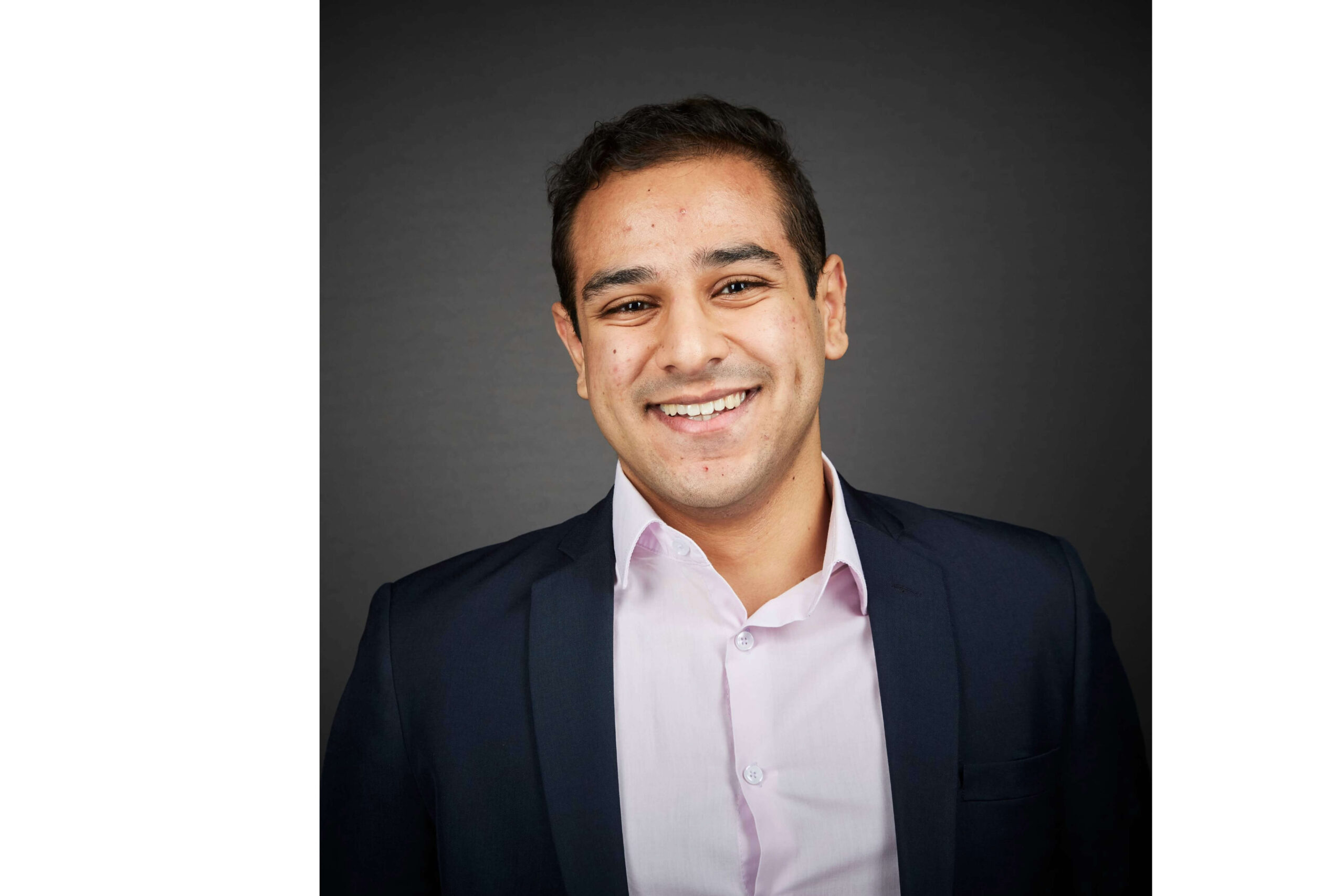
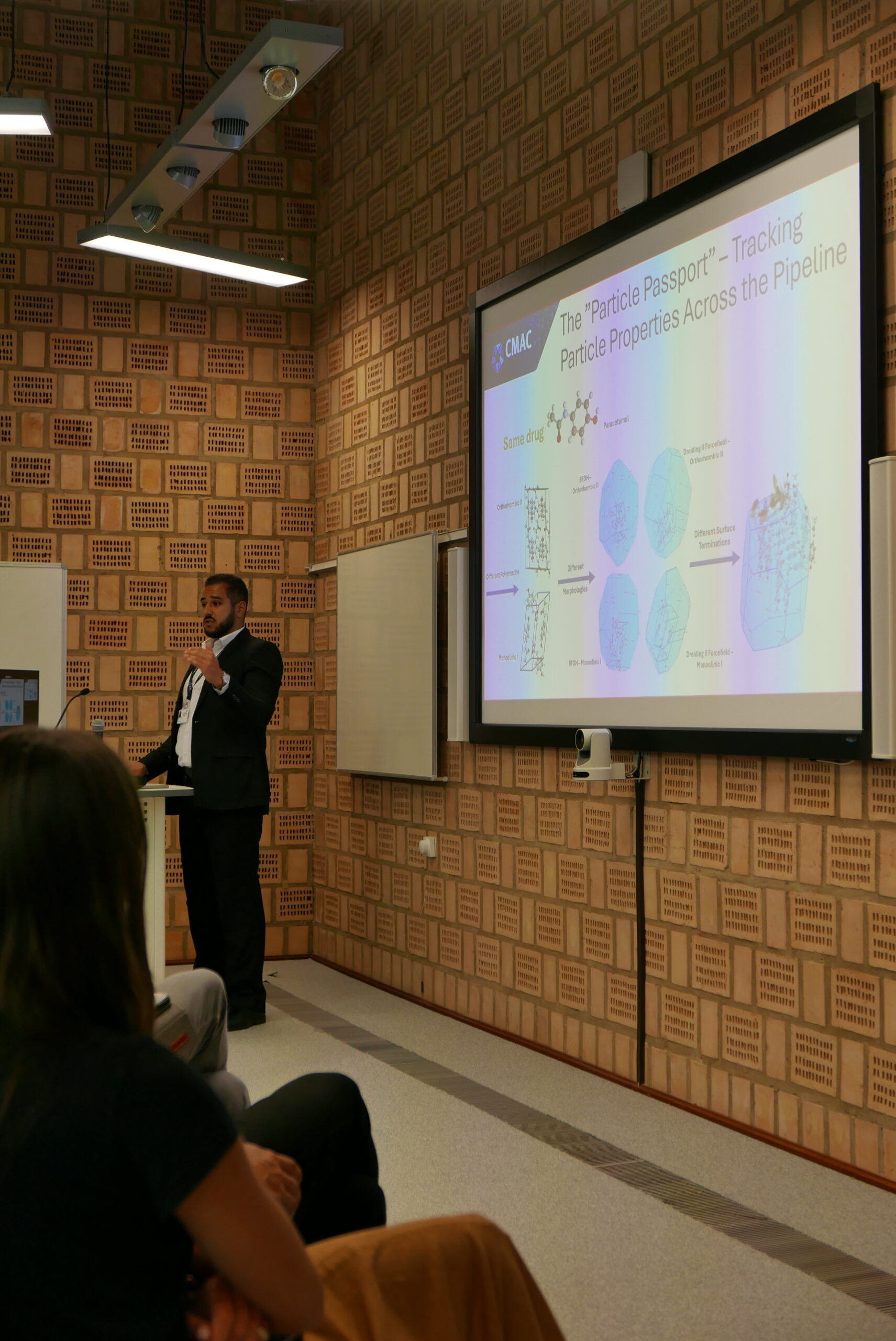
Omar El-Habbak
Thesis title: Correlating Digital and Experimental Chemical Space to Pharmaceutical Manufacturing Processes
Collaboration with The University of Strathclyde CMAC.
Academic supervisor: Alastair Florence.
Industrial supervisors: Rachel Shinebaum and Helen Blade from AstraZeneca.
CCDC supervisor: Alex Moldovan.
Start date: December 2023
Omar is exploring the correlation between chemical space and downstream pharmaceutical manufacturing processes. His work uses machine and deep learning models to predict powder flowability based on particle size, shape, and crystal structure.
Omar’s interest in sustainable development has led him to engage in youth advocacy heavily. He is currently the West Asia Regional Caucus Coordinator at the United Nations Major Group for Children and Youth.
His research interests lie in the use of artificial intelligence to improve translational medical treatment, from diagnostics and bedside clinical care, which was his main B.Sc. focus, all the way to pharmaceutical product development, which is his current scope as a doctoral student.
Aaron Horner
Thesis title: Developing the place and function of Crystal Sponge structures in the structural science landscape.
Collaboration with The University of Southampton.
Academic supervisor: Simon Coles.
CCDC supervisor: Clare Toove.
Start date: October 2022
Aaron is currently working with crystal sponges to help develop and identify ways to better describe the ‘quality’ of a given crystal structure. This is important because the scope of what can be analysed using scXRD techniques has expanded beyond the established frameworks of the periodic crystal.
Alexander Lee
Thesis title: Identifying and using a subset of structures that can potentially undergo enantiomeric ripening via conglomerate formation
Collaboration with Durham University.
Academic supervisor: Matt Kitching.
CCDC supervisor: Natalie Johnson.
Start date: October 2023
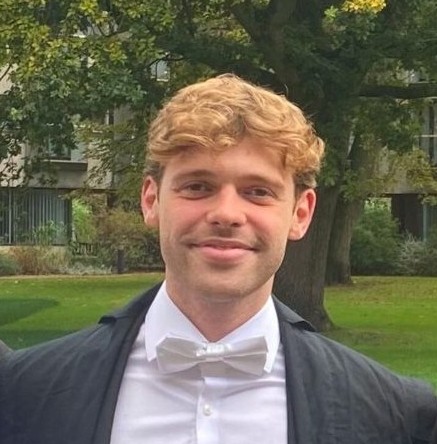
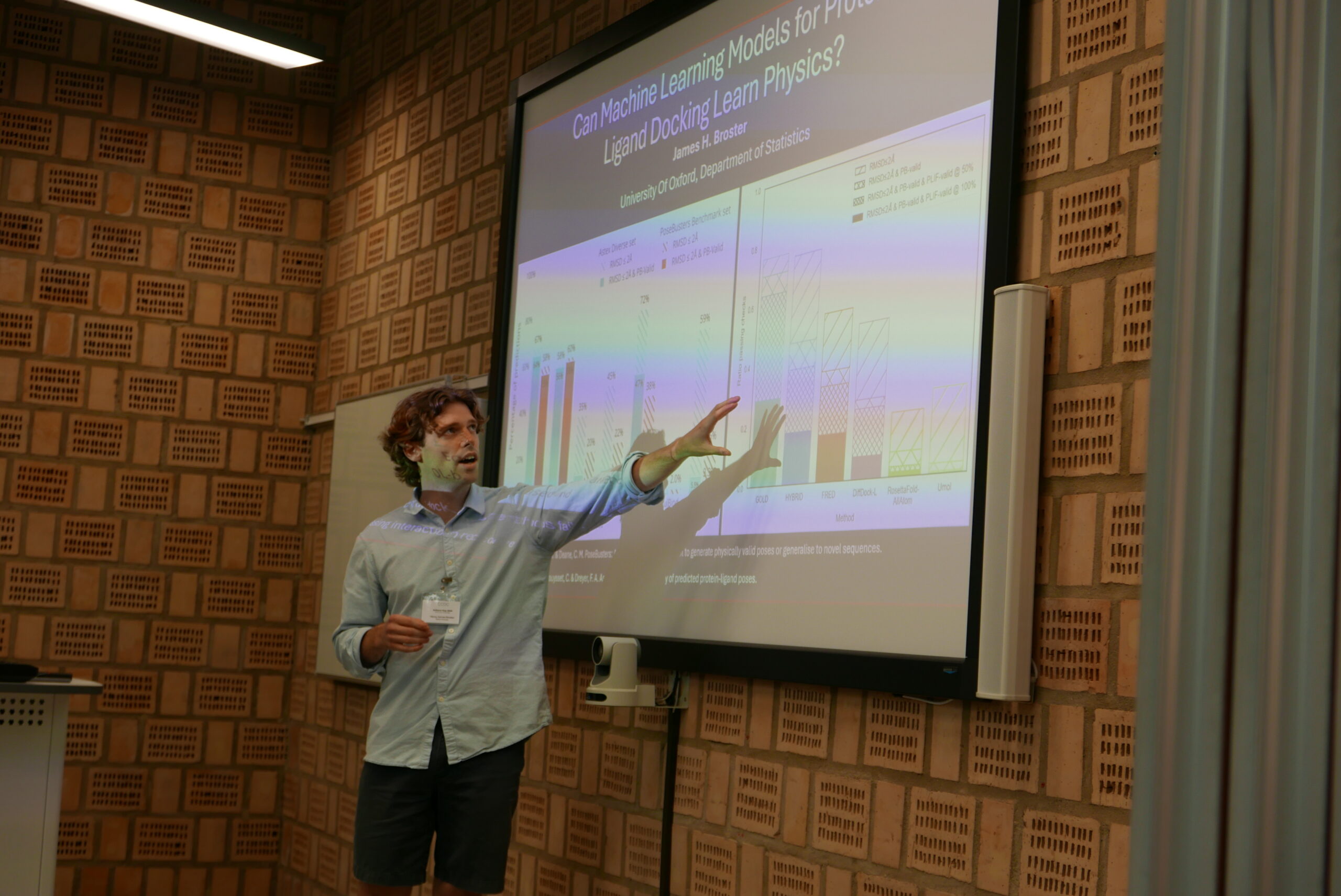
Henry James Broster
Thesis title: (TBC) Enriching Docking with Machine-Learning Approaches
Collaboration with The University of Oxford.
Academic supervisor: Fergus Imrie and Charlotte Deane.
CCDC supervisor: Diana Kondinskaia, Bojona Popovic.
Start date: September 2024
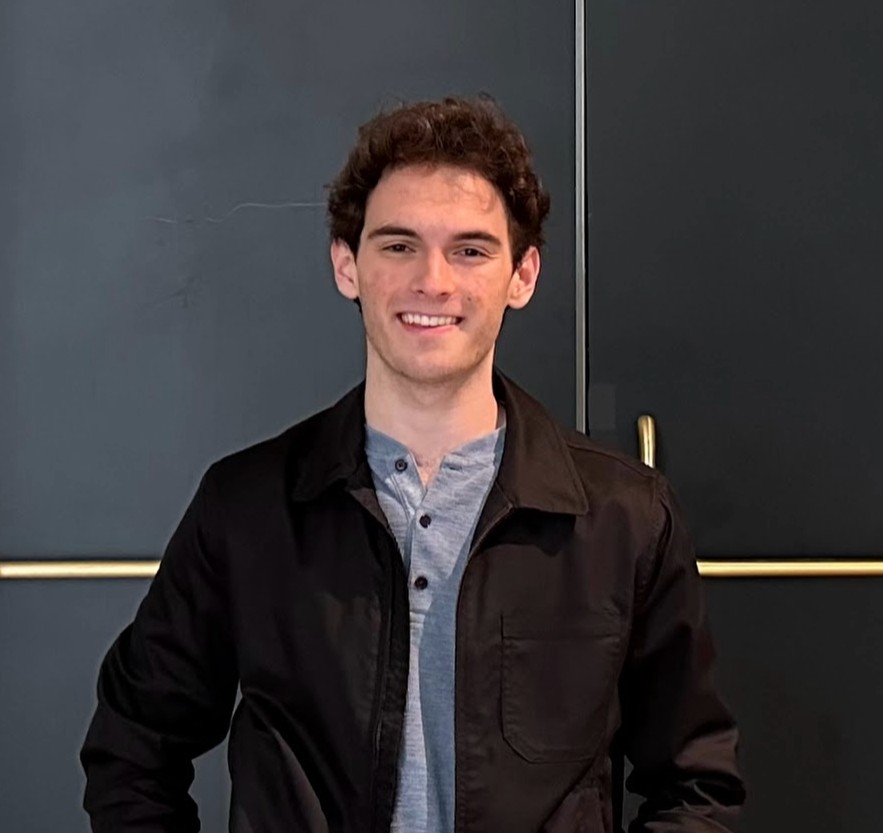
Henry Holleb
Thesis title: Pharmaceutical Salts: From Structure to Hydration Propensity
Collaboration with Durham University.
Academic supervisor: Aurora Cruz-Cabeza.
CCDC supervisor: Elna Pidcock, Isaac Sugden, Pablo Martinez-Bulit.
Start date: October 2023
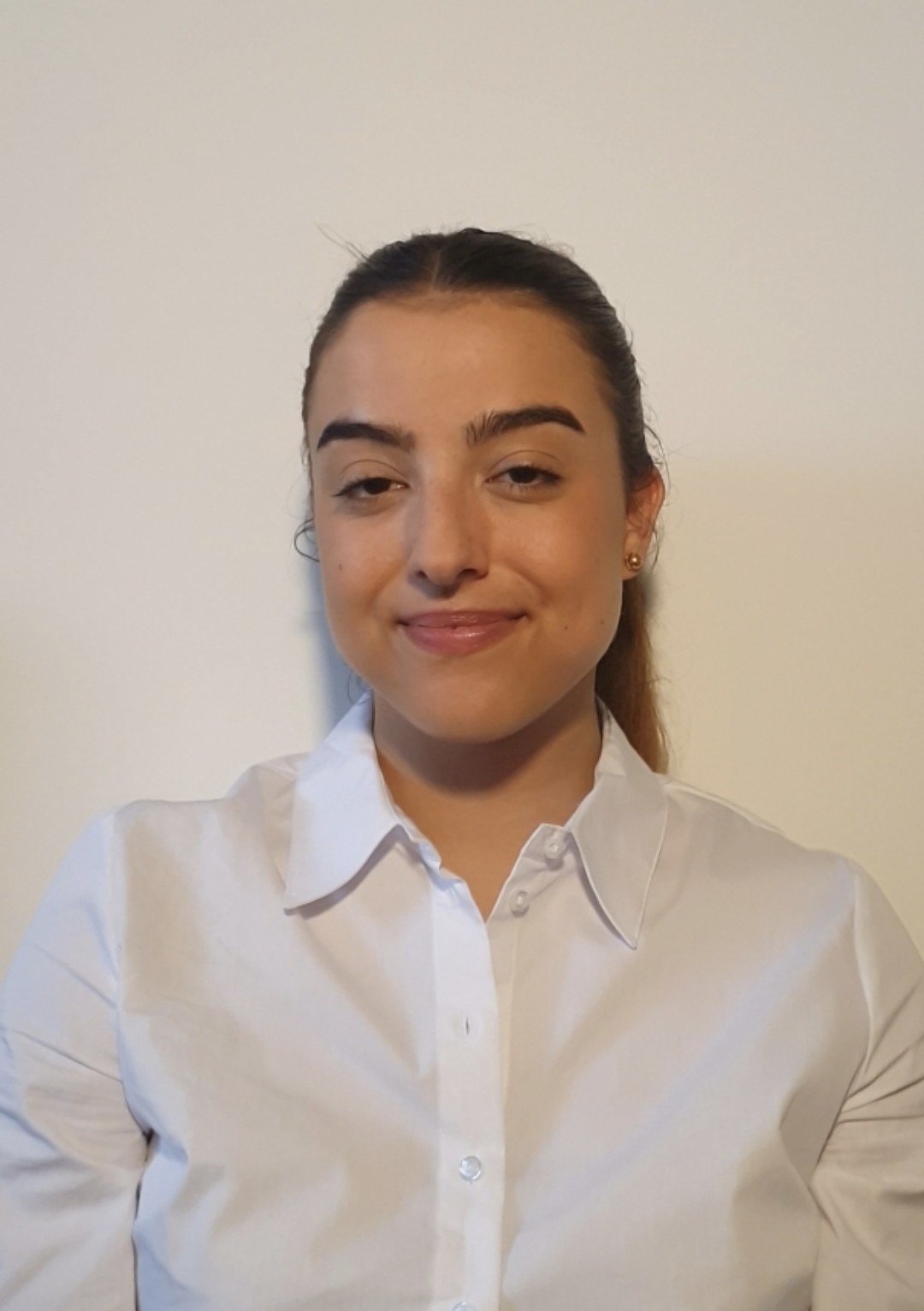
Sarah Madeira
Thesis title: Large-scale crystal structure prediction and energy-structure-function mapping for molecular organic photocatalysts.
Collaboration with Southampton University.
Academic supervisor: Graeme Day.
CCDC supervisor: Nicholas Francia.
Start date: October 2025
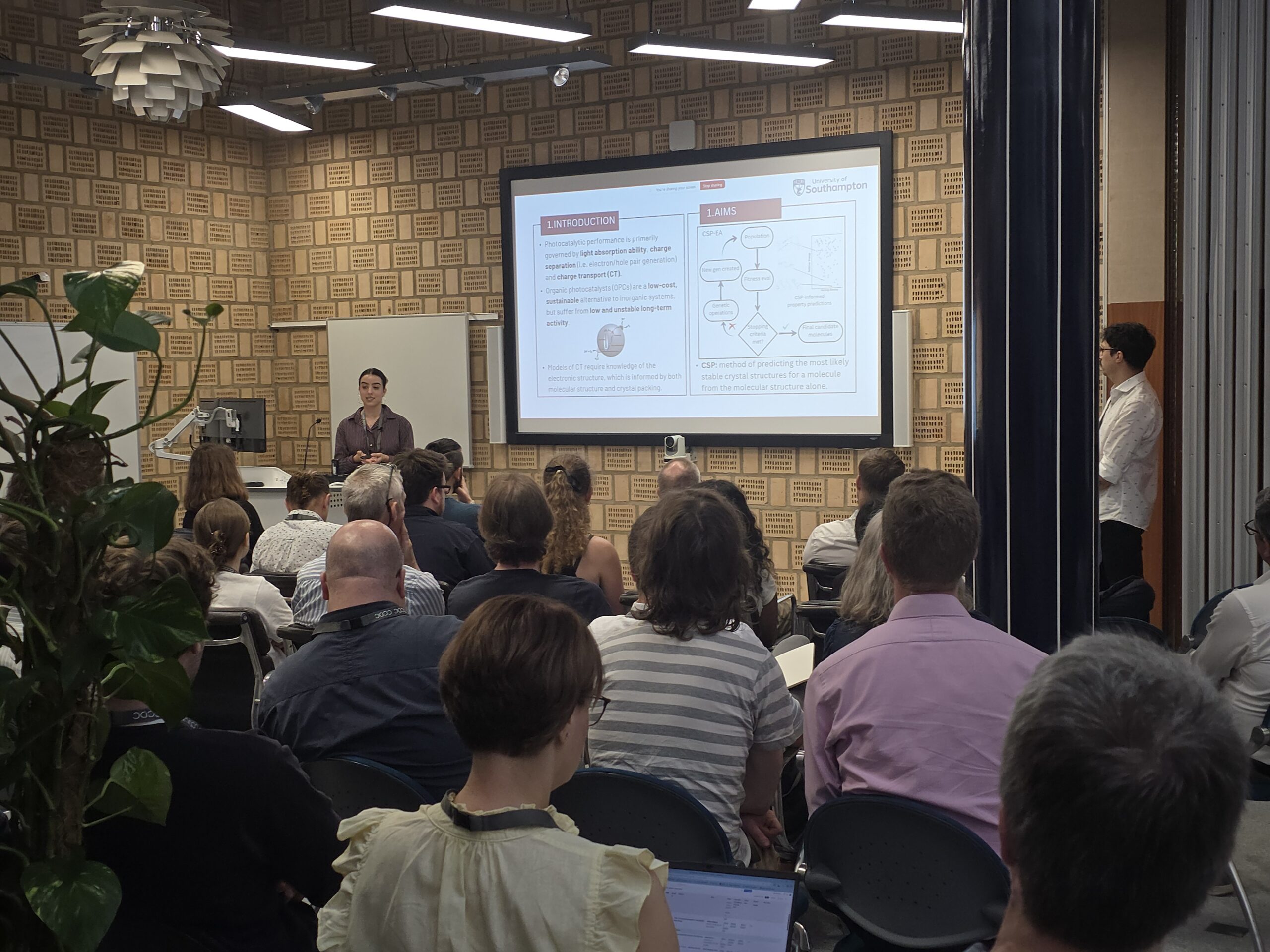
Sarah is currently working on developing an evolutionary algorithm which incorporates a fast and automated Crystal Structure Prediction (CSP) workflow for the exploration of promising organic crystals for photocatalytic water splitting. The objective is to evaluate the fitness of a molecule based on properties calculated for its most likely crystal structure(s). This is important because certain essential properties for photocatalytic activity are heavily influenced by crystal packing, such as band gap and electron mobility.
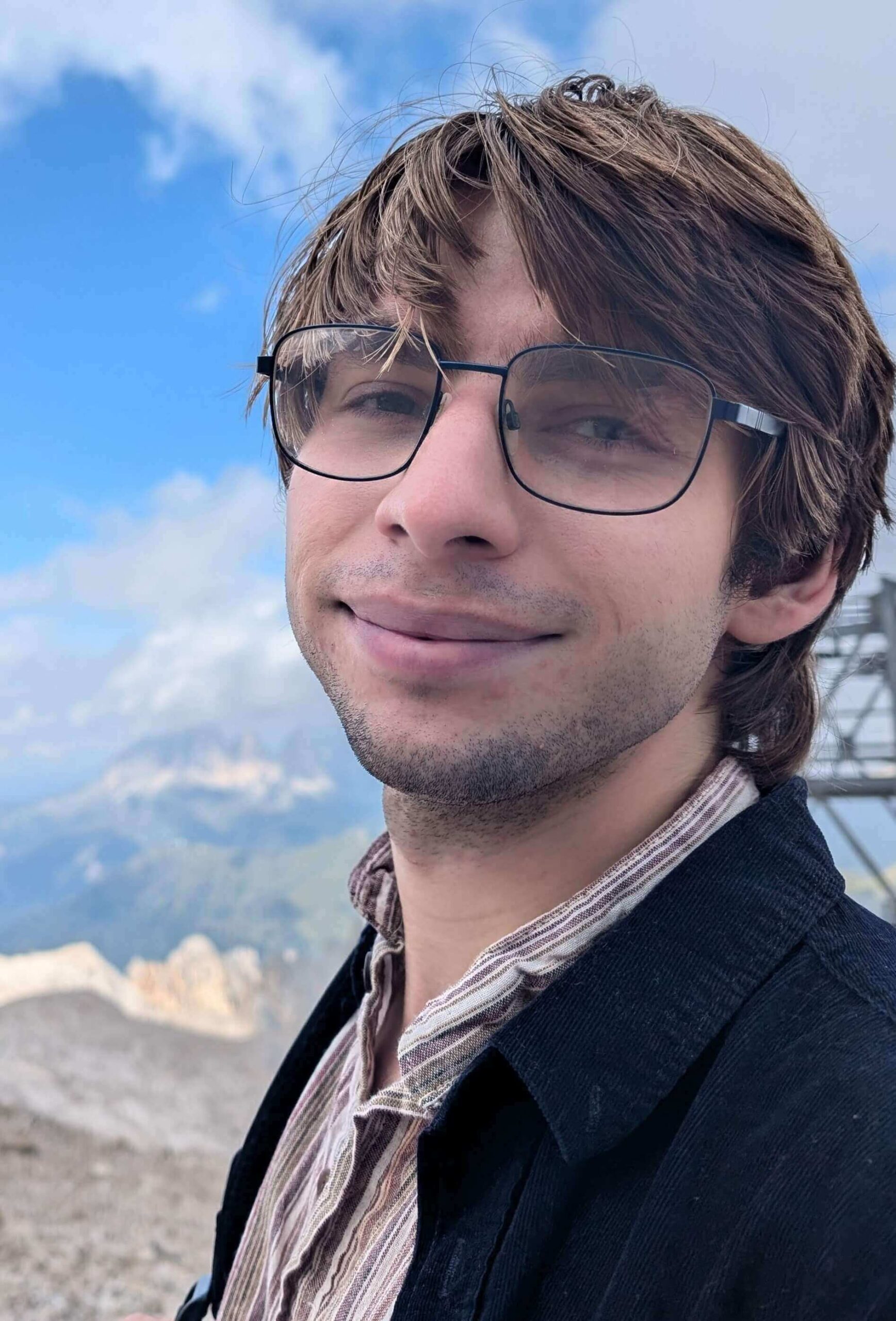
William Midgley
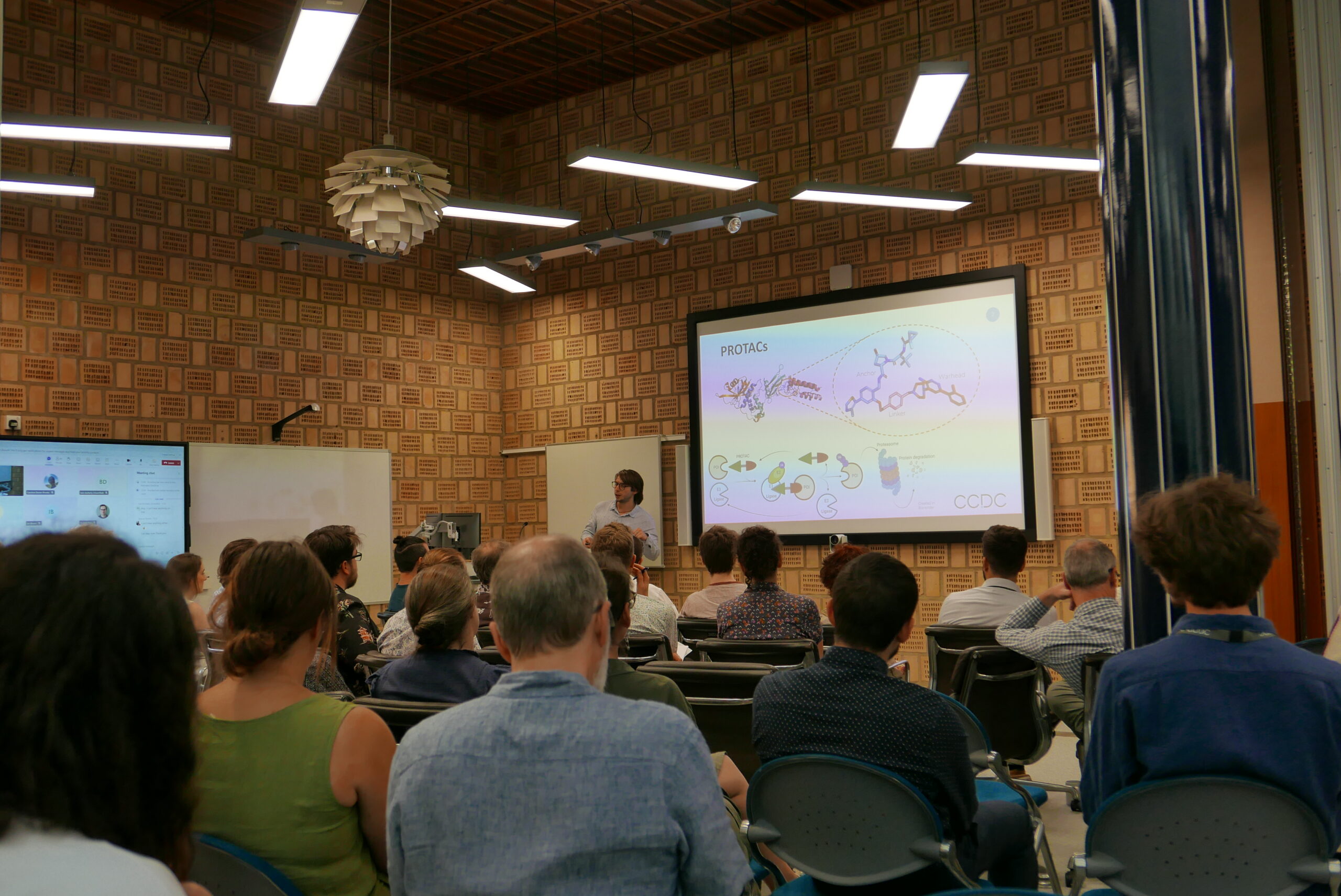
Thesis title: PROTACS: New Computational Methods, Targets, and Empirical Validation
Collaboration with Durham University.
Academic supervisor: Ehmke Pohl.
CCDC supervisor: Bojana Popovic, Fabio Montisci.
Start date: October 2023
Will Midgley is a MoSMed PhD student in Structural Biology at Durham University, researching computational methods to aid PROTAC design. He obtained an Honours degree in Applied Medical Sciences before working as a data scientist and research assistant at Swansea University using routinely collected health data. In his spare time, he enjoys exploring the local area and playing Uilleann Pipes for a local cèilidh band.
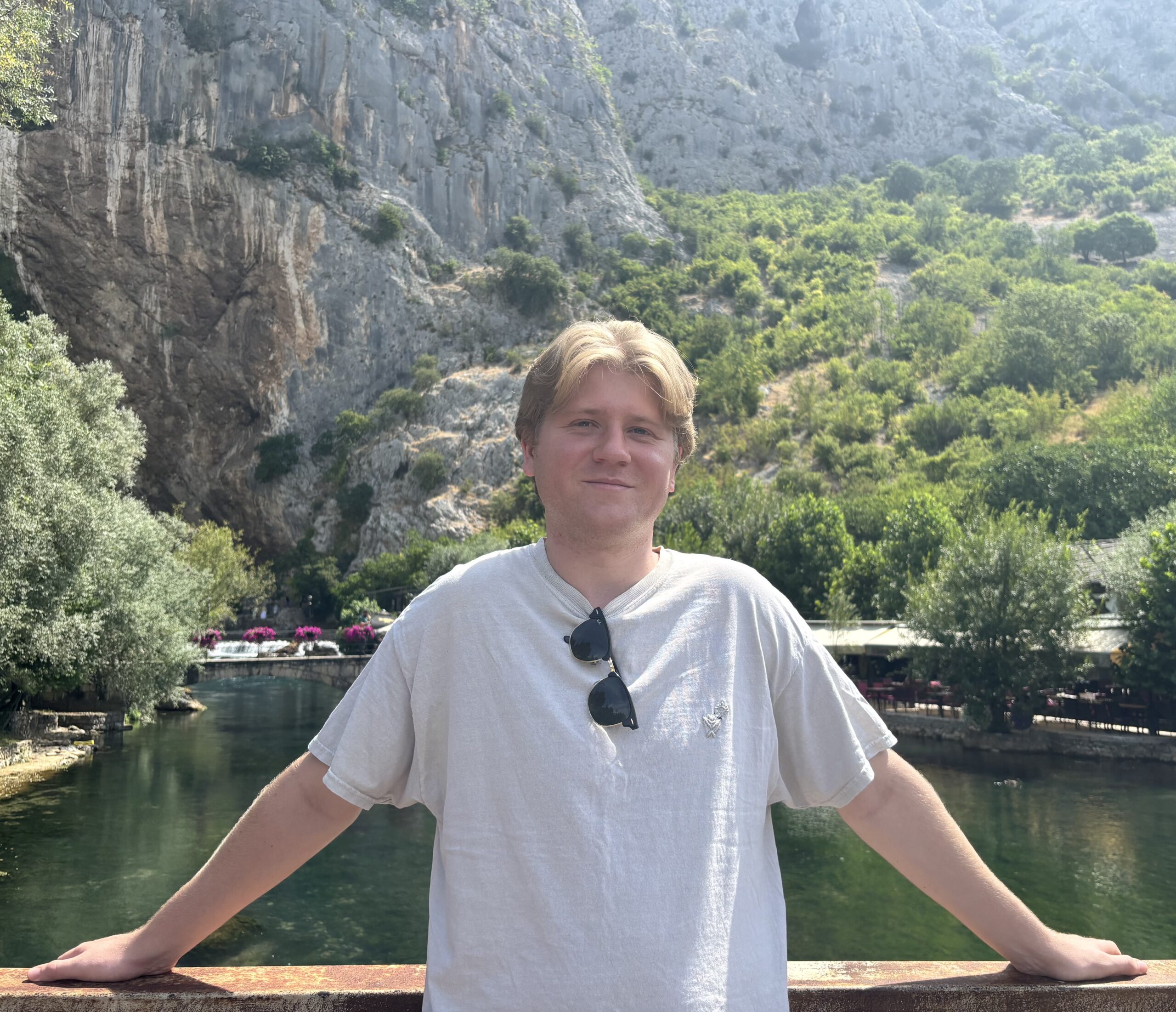
Matthew Shaw
Thesis title: Particle Properties by Design
Collaboration with The University of Leeds.
Academic supervisor: Anuradha Pallipurath.
CCDC supervisor: Patrick McCabe.
Start date: October 2025
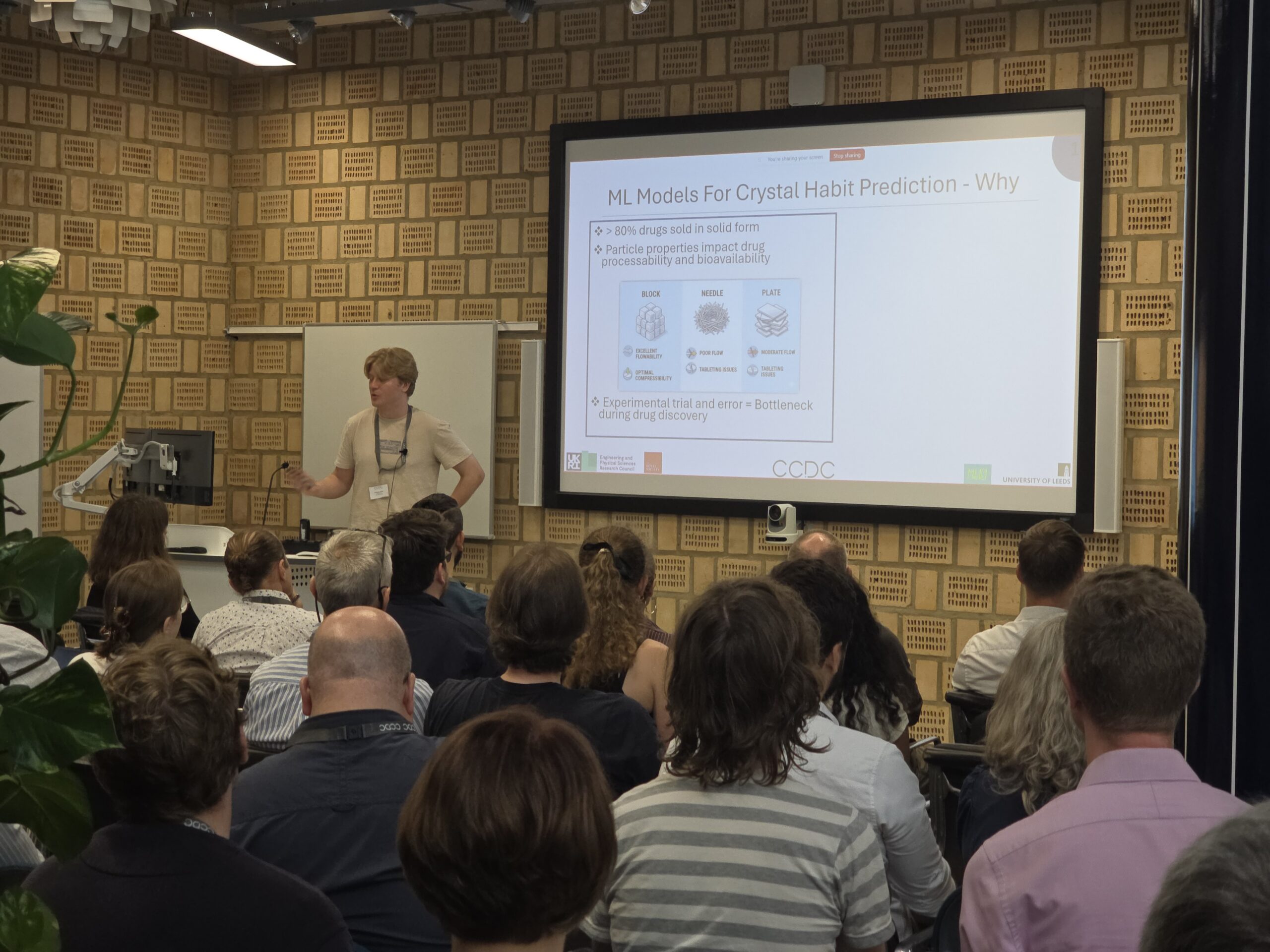
Matthew is a first-year PhD student currently working on developing machine learning models for particle property prediction. The goal is to use these models to streamline the drug discovery process by reducing the experimental effort required to identify the experimental conditions that achieve the desired particle properties for a given molecular formula.
Andrew Shearer
Thesis title: Structural Data Models and Ontologies for Drug Substance Cyber-Physical Systems
Academic Supervisor: Blair Johnston, Iain Oswald.
CCDC Supervisor: Emma Hawking.
Start date: October 2025
This project develops fast, information‑rich fingerprints and data models that enable real-time analysis of crystalline solid‑state structures. These fingerprints will speed up tasks like crystal structure prediction and improve property predictions, even when polymorphism and solubility vary. The work also includes creating an ontology to support better data access and advanced searches for materials with specific features.

About the Programme
Over 50 PhD students have been sponsored since 2000.
In the video on the right, Jason Cole, Senior Research Fellow, explains more about the history and structure of CCDC’s PhD programme.