
1.4 Million Crystal Structures and Beyond
The Latest Cambridge Structural Database Update
The latest Cambridge Structural Database (CSD) update adds 21,282 new crystal structures (22,897 entries) to support crystallography research across pharmaceuticals, agrochemicals, materials science, and related fields.
This release brings the CSD to over 1.4 million structures, giving researchers even richer chemistry data to explore structure–property relationships, validate models, and spark new insights across both organic and metal–organic chemistry.
Top Takeaways
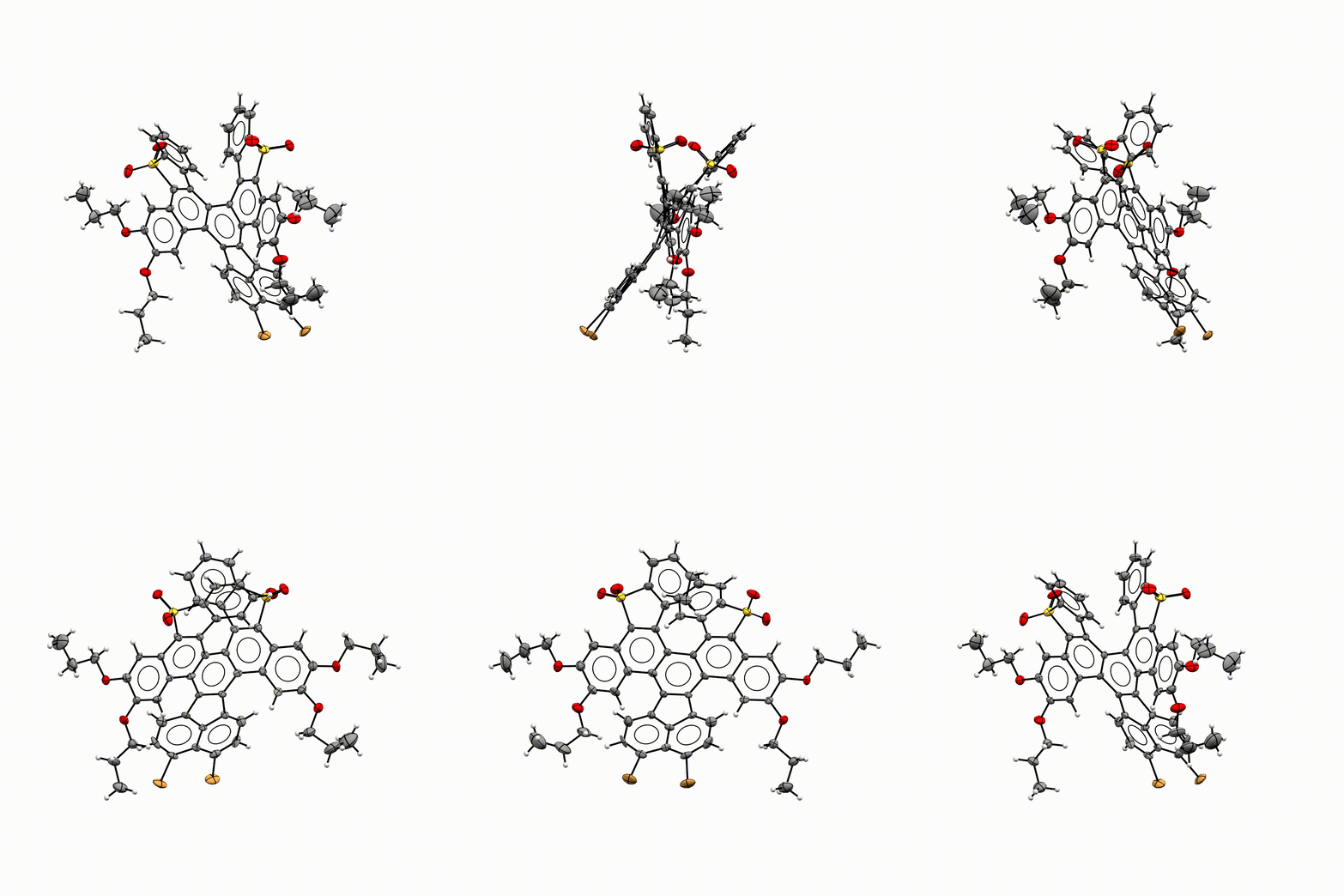
- The CSD now exceeds 1.4 million entries, including a milestone π‑extended diindenoperylene structure (CSD Entry UXARAQ).
- Organic highlights feature rare nitrogen stereocentres (CSD Entry USEFUX) and an iptycene‑derived diborapentiptycene with exceptional TADF–RTP afterglow (CSD Entry URUQUX).
- Metal–organic additions include a CO‑adsorbing cobalt MOF (CSD Entry EQUTOD) and air‑tolerant organosodium complexes (CSD Entry SAGHOC01).
- New coordination complexes, such as a bioactive Ni(ii)–carvedilol structure (CSD Entry UNUHUK), offer valuable insights for applied research.
This update strengthens the CSD as a foundational tool for crystallographers, chemists, and industry scientists advancing innovation through crystal structures and chemistry data.
What Is in This CSD Data Update?
This release includes a greater proportion of purely organic structures with 12,111 entries, representing nearly 53% of the update. This category also contains the CSD’s 1.4 millionth structure, CSD Entry UXARAQ, a π‑extended diindenoperylene featuring a dithia[7]helicene motif reported in Organic Chemistry Frontiers by Kivala et al.
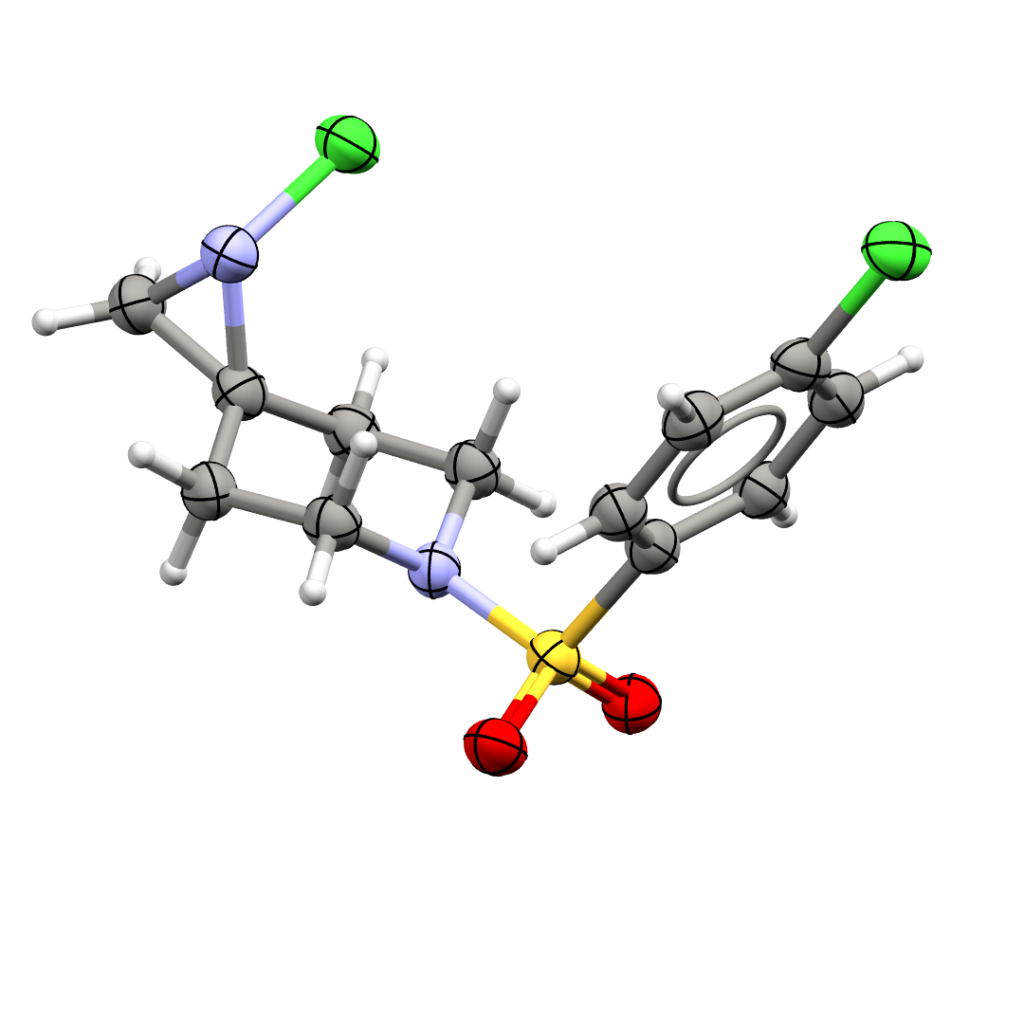
Notable additions include structures with rare nitrogen stereocentres published in Nature. Tan et al. report a chiral Brønsted acid–catalysed chlorination that generates stable N‑stereogenic centres in 1,2‑oxazolidines and N‑chlorinated aziridines. CSD Entry USEFUX shows how an aziridine ring and an electron‑withdrawing N–Cl bond lock the nitrogen into a pyramidal geometry, stabilising its chirality.
Another highlight of the organic category is an iptycene‑derived diborapentiptycene exhibiting record‑breaking hybrid TADF–RTP afterglow, reported by Wu et al. in the Journal of the American Chemical Society. The rigid, nonplanar architecture of CSD Entry URUQUX stabilises triplet states, enhancing phosphorescence lifetimes and afterglow.

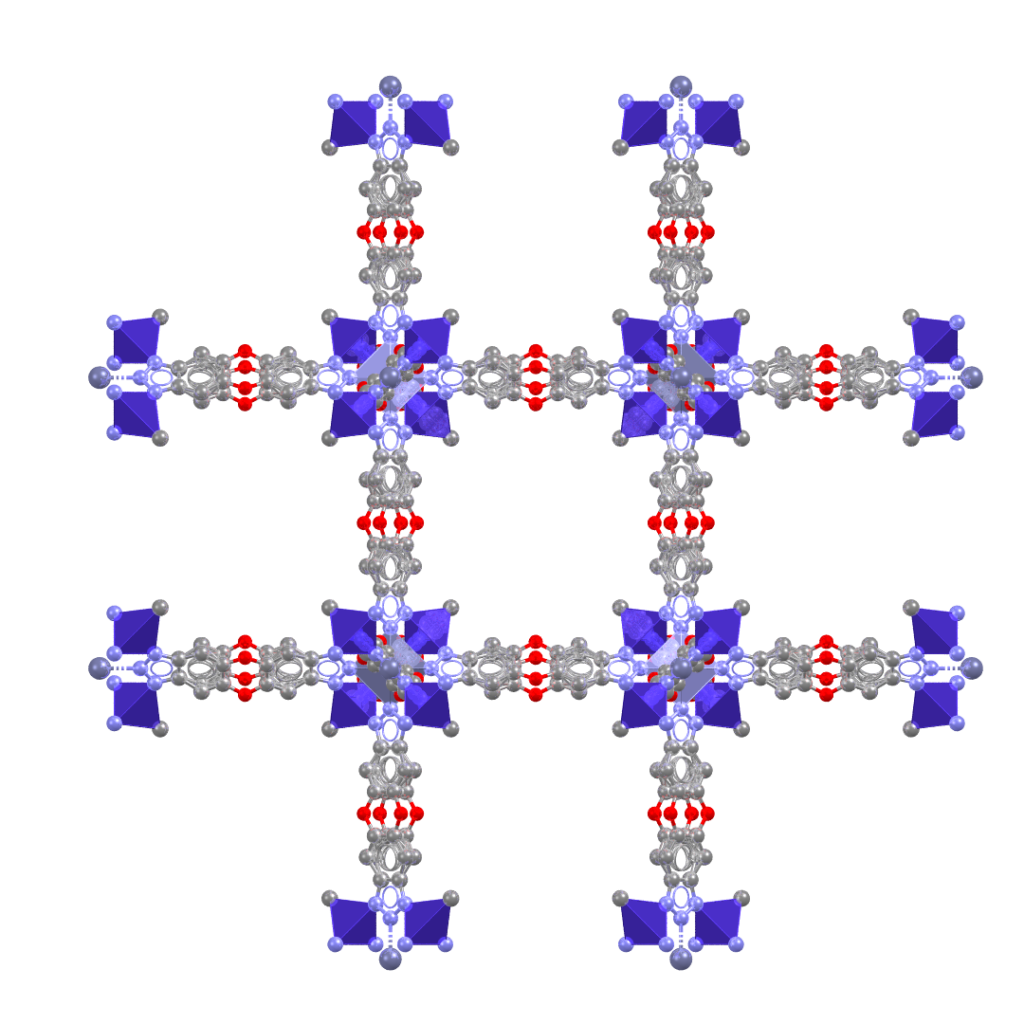
Metal–organic structures account for 10,786 entries (47%). These include a metal–organic framework reported in Science by Long et al. CSD Entry EQUTOD reveals cobalt(ii)–methyl single sites that cooperatively adsorb two carbon monoxide molecules per metal centre.
The update also features coordination complexes. One example is a mechanochemical method for preparing organosodium reagents under air‑tolerant, solvent‑minimal conditions, reported in Nature Synthesis by Ito et al. CSD Entry SAGHOC01 provides clear structural evidence of a Na–C bond.

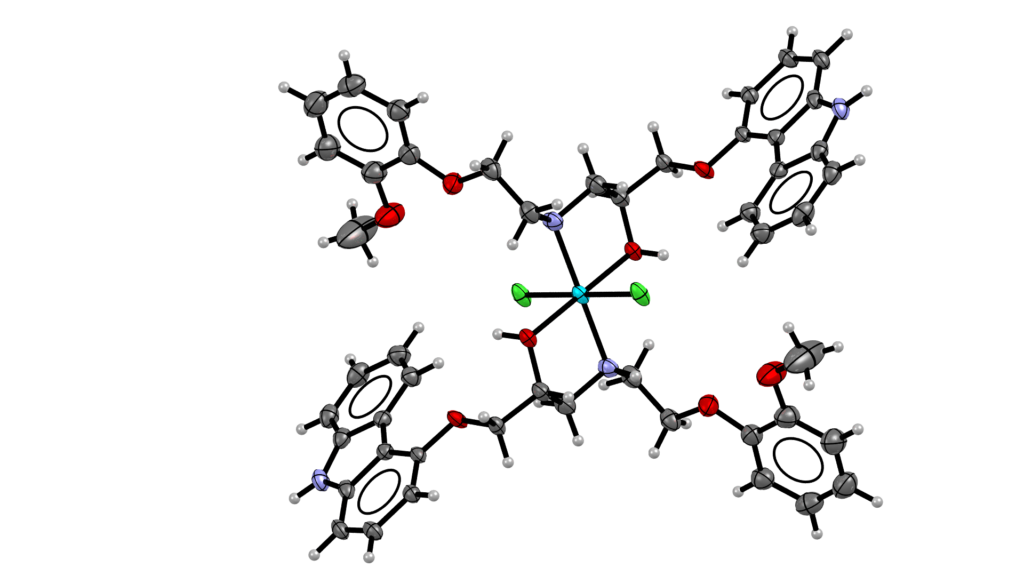
Another structure of interest is a Ni(ii)–carvedilol complex reported in the Journal of Molecular Structure by Shahabadi et al. CSD Entry UNUHUK shows a distorted octahedral nickel centre, offering insight into a compound with notable anticancer and antioxidant properties.
How to Get the Update
All available software or data updates can be applied by using the CCDC maintenance tool in the installation and selecting the Check for Updates option.
If you have any questions our support team will be more than happy to help.
Next Steps
To discuss further and/or request a demo with one of our scientists please contact us via this form or email us at hello@ccdc.cam.ac.uk.
Check out the Cambridge Structural Database (CSD) for yourself and see how your research can benefit from the combined knowledge of over 1.4M small-molecule organic and metal-organic crystal structures.
Proprietary data? Our team can curate your proprietary data into a Cambridge Structural Database (CSD)-like database, accessible through a simple browser-based interface. This is all done within your firewall to comply with your data security requirements.
More information on CSD software trusted by academic and industrial institutions around the world.
See case studies of the CSD in action, driving forward the boundaries of scientific research.